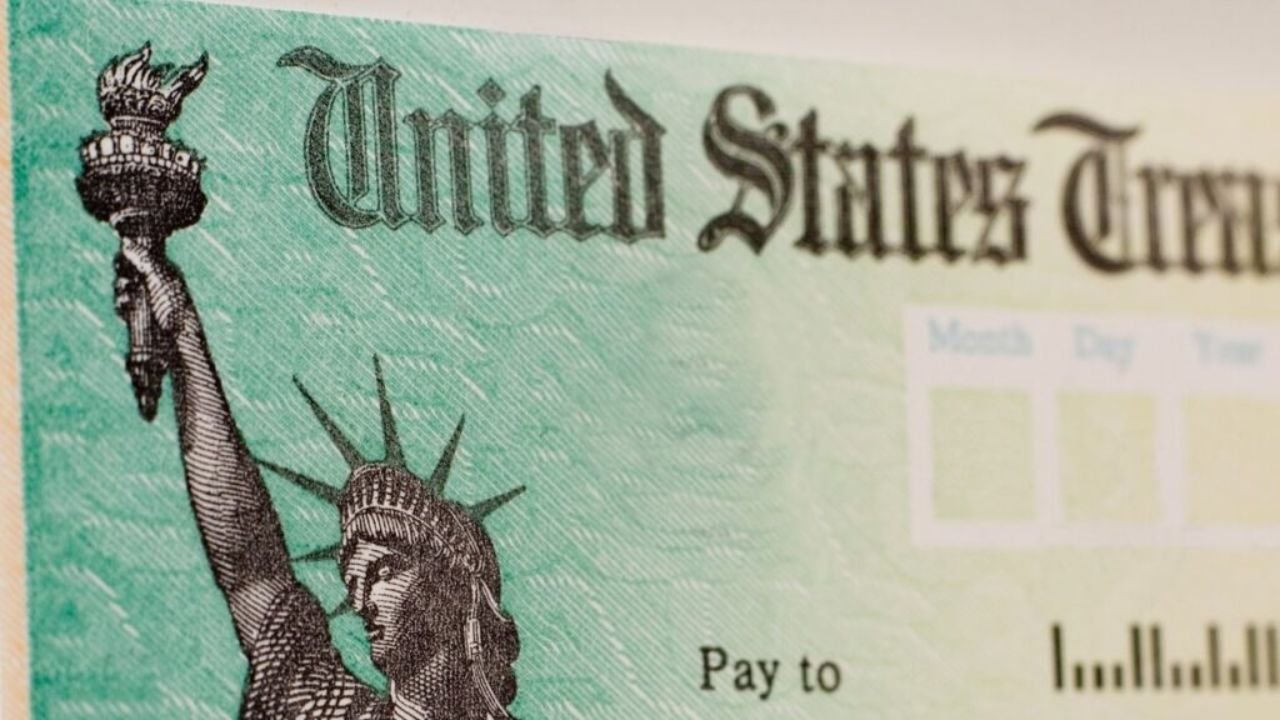
The idea of a $2,000 “tariff dividend” check has quickly captured attention across financial and political circles in 2026. Positioned as a direct cash benefit for American households, the proposal suggests funding stimulus payments entirely through revenue generated from tariffs on imported goods. On the surface, it presents a compelling narrative: money collected from global trade flowing back into citizens’ pockets.
But beneath the appeal lies a complex web of economic, legal, and practical challenges that make the proposal far from straightforward.
What Is the Tariff Dividend Proposal?
At its core, the tariff dividend concept is simple. Governments collect billions in tariffs, which are taxes imposed on imported goods, and instead of channeling all of that revenue into federal spending, a portion would be redistributed directly to citizens in the form of $2,000 checks.
The goal is twofold:
- Boost consumer spending by putting cash directly into households
- Reframe trade policy as a tool for domestic financial benefit
In theory, such a program could act as a modern stimulus mechanism, similar to previous direct payments issued during economic downturns. However, the difference here lies in the funding source, which is tariffs rather than deficit spending or broader taxation.
The Financial Reality: A Massive Funding Gap
While the idea sounds attractive, the numbers tell a different story.
Distributing $2,000 to eligible Americans would cost an estimated $400–$450 billion, depending on participation and eligibility criteria. In contrast, projected tariff revenues, even under aggressive trade policies, fall significantly short of that figure.
This creates a fundamental mismatch:
- Expected tariff revenue is in the tens of billions annually
- Required payout funding is in the hundreds of billions
Bridging this gap would either require expanding tariffs dramatically, which could disrupt trade, or supplementing funds from other sources, which undermines the proposal’s core premise.
For financially aware readers, this raises immediate concerns about sustainability and long-term fiscal discipline.
Legal and Structural Barriers
Even if the financial challenges were addressed, another major obstacle remains, which is legislative approval.
In the United States, large-scale government payments cannot be issued unilaterally by the executive branch. Any such program would require congressional authorization, budget allocation approval, and compliance with federal spending laws.
Attempts to bypass these processes would almost certainly trigger legal challenges, potentially delaying or blocking implementation entirely.
This means that, as of now, the tariff stimulus remains a proposal and not an approved or funded program.
The Economic Impact: Stimulus or Side Effects?
Direct payments have historically proven effective in stimulating short-term economic activity. When consumers receive cash, they tend to spend it, which fuels demand across sectors like retail, travel, and services.
If a $2,000 payment were successfully distributed, potential benefits could include increased consumer confidence, higher retail spending, and short-term economic acceleration.
However, economists also warn of possible downsides.
Inflation pressure is one concern, as injecting large sums of money into the economy without a matching increase in goods and services can drive prices higher.
Trade tensions are another risk, since relying heavily on tariffs could escalate international disputes and lead to retaliatory measures.
Market distortion may also occur, with businesses adjusting pricing or supply strategies in response to changing tariff structures, impacting global competitiveness.
In essence, while the stimulus effect could be immediate, the long-term consequences may be more complex.
The Rise of Scams: A Growing Concern
Whenever financial relief programs gain attention, opportunistic scams tend to follow, and this situation is no exception.
Reports have emerged of fraudulent messages claiming eligibility for a $2,000 tariff rebate, often asking for personal or banking details or directing users to fake application portals.
These scams exploit urgency and excitement, targeting individuals who may not realize that the program is not officially approved.
To stay safe, avoid sharing personal information through email or text, ignore requests for upfront fees, and verify all information through official government sources.
Legitimate government payments do not require payment or sensitive data submission through unsecured channels.
Political Momentum and Uncertainty
The tariff dividend proposal is as much a political strategy as it is an economic one. It aligns with themes of economic nationalism, self-reliance, and direct financial benefit for citizens.
As election cycles intensify, proposals like this often gain attention because they are easy to understand, financially appealing, and politically powerful.
However, turning a campaign idea into a functioning policy requires agreement across multiple layers of government, which is rarely quick or guaranteed.
For now, the proposal remains in the discussion and debate phase, with no confirmed timeline or legislative progress.
What This Means for You
For individuals tracking this development, the key takeaway is simple. There is no approved $2,000 tariff stimulus payment at this time.
While the idea continues to circulate in media and political discussions, it is important to approach it with a balanced and informed perspective.
Stay informed but cautious, avoid acting on unverified claims, and focus on confirmed financial developments.
From a financial planning standpoint, it is wise not to rely on speculative payments when making decisions.
Final Thoughts
The concept of a tariff-funded stimulus check is innovative and attention-grabbing, blending trade policy with direct economic relief. However, innovation alone does not guarantee feasibility.
Between funding gaps, legal hurdles, and broader economic implications, the path from proposal to reality remains uncertain.
For now, the $2,000 tariff dividend is a theoretical concept rather than a financial certainty. Staying grounded in verified information will remain the most reliable approach as the situation evolves.