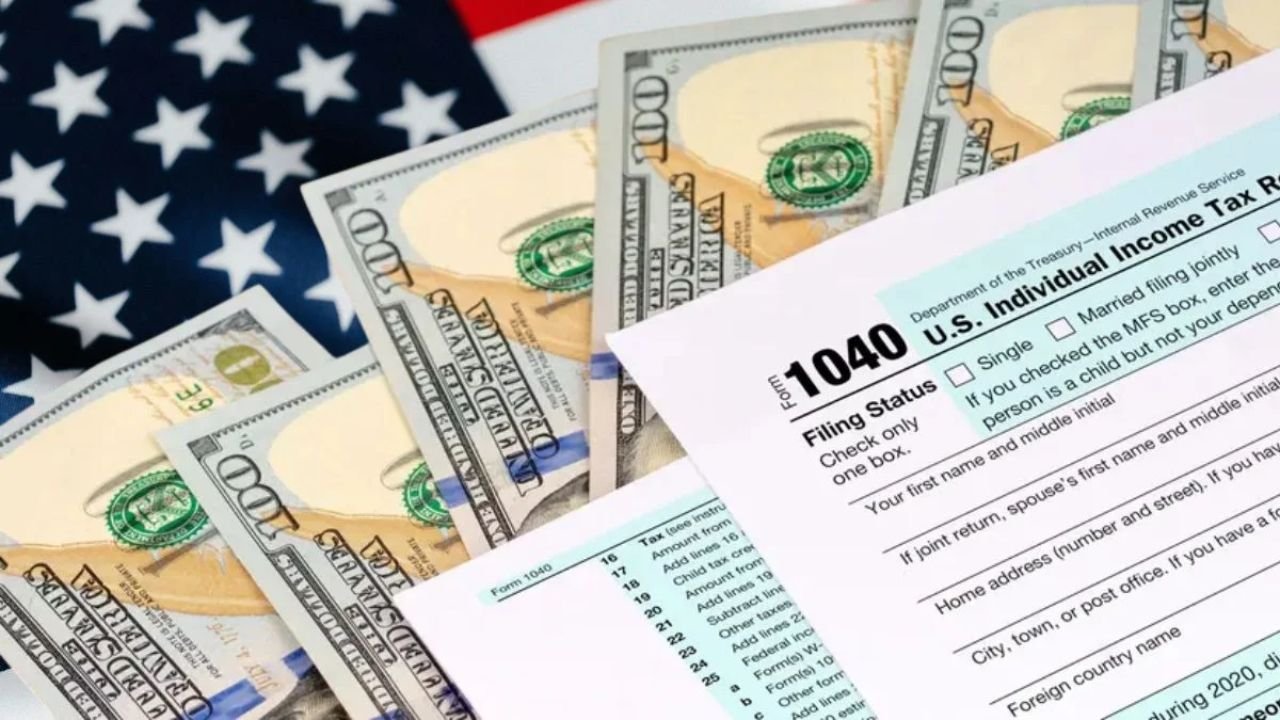
As conversations around financial relief continue to evolve in 2026, the possibility of a $1,130 stimulus check has gained widespread attention. For many households navigating rising living costs and economic uncertainty, such a payment represents a potential lifeline. However, while optimism is understandable, it is equally important to approach these discussions with clarity, accuracy, and a focus on verified information.
This guide explores what is currently known about the proposed $1,130 stimulus check, including expected eligibility, possible payment timelines, and how to stay informed in an environment filled with both facts and speculation.
Understanding the Purpose of the $1,130 Stimulus
Stimulus payments are typically introduced as part of broader economic strategies designed to support households during challenging financial periods. The proposed $1,130 payment is believed to align with efforts to ease the pressure caused by inflation, rising expenses, and shifting economic conditions.
Direct financial assistance serves two key purposes. First, it helps individuals and families cover essential costs such as housing, utilities, and groceries. Second, it encourages consumer spending, which plays a critical role in sustaining economic growth. When households have more disposable income, demand for goods and services increases, benefiting businesses and local economies.
While the intention behind such payments is clear, it is important to note that no official confirmation has been issued regarding this specific amount. At present, discussions remain speculative and subject to policy decisions.
Expected Eligibility Criteria
Eligibility for a potential $1,130 stimulus check is likely to follow structured guidelines similar to previous relief programs. Although final criteria have not been formally announced, several key factors are expected to determine qualification.
Income-Based Qualification
Income thresholds are typically central to stimulus eligibility. Individuals within low-to-middle income brackets are usually prioritized to ensure that financial assistance reaches those who need it most.
- Single filers below a defined income limit may qualify for the full amount
- Married couples filing jointly could have higher combined thresholds
- Payments may gradually reduce for higher-income earners
This phased approach ensures a targeted distribution of funds.
Tax Filing Status
Your most recent tax return will likely be used to assess eligibility. Individuals with updated and accurate filings are generally processed more efficiently, reducing the risk of delays.
Household Size and Dependents
Household composition may also play a role. Larger families or those with dependents could receive adjusted benefits, depending on how the program is structured.
Seniors and Benefit Recipients
Retirees, Social Security recipients, and individuals receiving federal assistance may also be considered. In previous programs, many of these groups were included automatically based on existing records.
Potential Payment Timeline
The timing of any stimulus payment is closely tied to legislative approval and administrative readiness. If the $1,130 payment is officially authorized, distribution is expected to follow a phased rollout.
When Payments Could Begin
Based on past patterns, payments could start arriving within weeks of approval. Early estimates suggest a possible mid-to-late March 2026 timeline, though this remains speculative.
Distribution Methods
The Internal Revenue Service (IRS) typically uses multiple channels to deliver payments:
- Direct Deposit: The fastest method, often reaching recipients first
- Paper Checks: Mailed to those without banking information on file
- Prepaid Debit Cards: An alternative used to speed up access for certain recipients
Ensuring your banking details and mailing address are current is essential for timely delivery.
Factors That May Affect Timing
Several factors can influence when you receive your payment:
- Accuracy of tax filings
- Updated personal information
- Volume of recipients being processed
- Administrative or logistical challenges
Understanding these variables can help set realistic expectations.
Economic Impact of the Payment
A stimulus payment of this scale can have meaningful effects beyond individual households.
Increased Consumer Spending
When people receive direct financial support, they tend to spend on essential goods and services. This increased demand can stimulate sectors such as retail, healthcare, and transportation.
Support for Local Businesses
Small and medium-sized businesses often benefit indirectly from stimulus payments. Higher consumer spending can lead to improved sales, helping businesses maintain operations and employment levels.
Financial Stability for Households
For many families, even a modest payment can provide critical relief. Covering immediate expenses can reduce financial stress and improve overall stability during uncertain times.
Navigating Misinformation
In today’s digital landscape, information spreads rapidly—often without verification. The topic of stimulus checks is particularly prone to misinformation, with conflicting reports circulating across social media and online platforms.
Why Verification Matters
Relying on unverified sources can lead to confusion and unrealistic expectations. Official announcements from government agencies remain the most reliable source of information.
Common Red Flags
Be cautious of:
- Messages দাবি immediate action to claim payments
- Emails requesting personal or banking details
- Social media posts presenting unconfirmed claims as facts
Protecting your personal information should always be a priority.
Practical Steps to Stay Prepared
While waiting for official confirmation, there are several proactive steps you can take.
Keep Your Financial Records Updated
Ensure your tax filings are current and accurate. This helps streamline any future payment processing.
Verify Your Banking Information
Updated direct deposit details can significantly reduce waiting times if payments are issued.
Follow Trusted Sources
Stay informed through official government channels or reputable financial platforms. Avoid relying solely on viral content or unofficial reports.
Final Thoughts
The possibility of a $1,130 stimulus check in March 2026 reflects ongoing efforts to address financial challenges faced by many households. While the proposal offers hope, it remains unconfirmed and subject to change.
Approaching the situation with informed caution is essential. By staying updated, verifying information, and preparing your financial records, you can position yourself to respond effectively if such a program becomes a reality.
In times of uncertainty, clarity and preparedness are your strongest financial advantages.