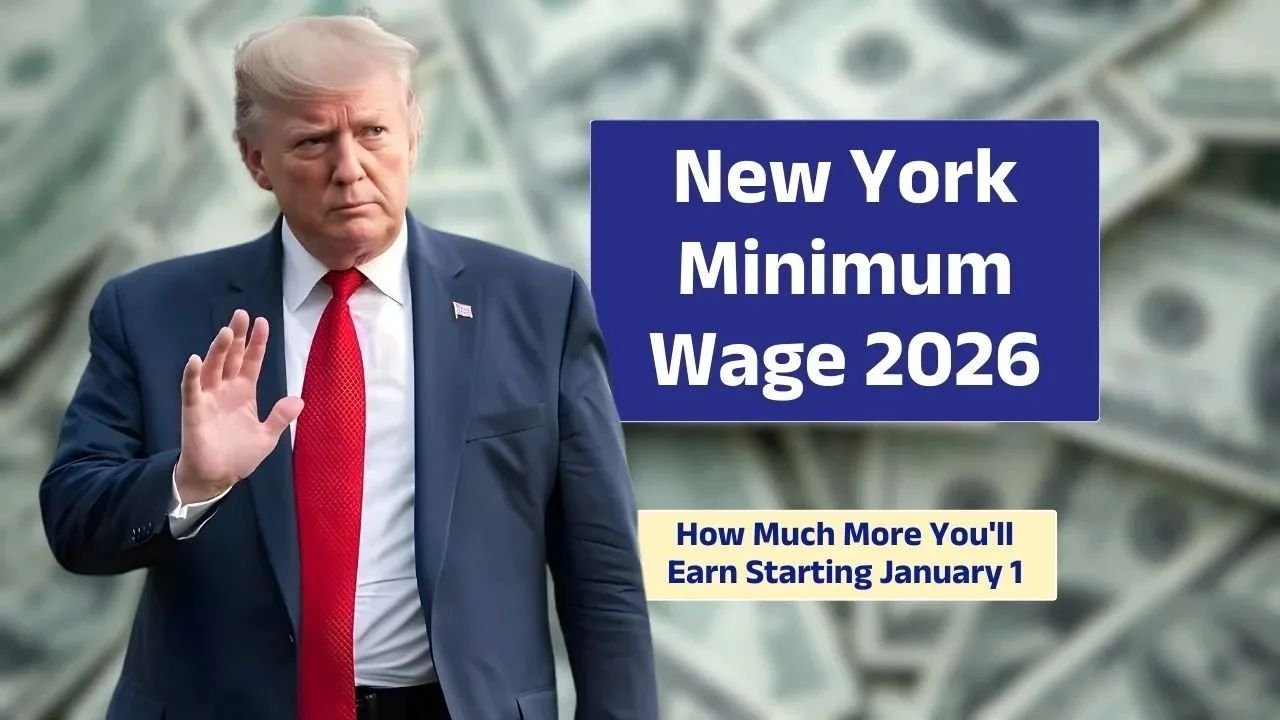
As 2026 unfolds, workers across New York are experiencing a notable shift in their earnings with the latest minimum wage increase taking effect. While the adjustment may appear modest on the surface, its broader implications extend far beyond a simple rise in hourly pay. For employees, it represents a step toward improved financial stability. For businesses, it introduces both operational challenges and strategic opportunities.
This in-depth analysis explores the new wage structure, its real-world impact on workers, and what it means for the future of the state’s economy.
Understanding the 2026 Minimum Wage Increase
The 2026 wage increase is part of a structured, multi-year plan designed to gradually elevate income standards across New York. This approach allows wages to better align with inflation and the rising cost of living, ensuring that workers are not left behind as expenses continue to climb.
Rather than implementing sudden, large increases, the state has opted for incremental adjustments. This strategy is intended to balance the needs of workers seeking higher pay with the realities faced by employers managing operational costs.
The latest adjustment, effective in March 2026, reflects ongoing efforts to promote fair compensation while maintaining economic stability.
How the Wage Increase Impacts Workers
For many employees, particularly those in entry-level or service-sector roles, even a small increase in hourly wages can make a meaningful difference.
Improved Financial Stability
Higher wages provide immediate relief for workers struggling to cover essential expenses. Costs related to housing, groceries, transportation, and healthcare continue to rise, and additional income helps bridge the gap.
Greater Flexibility and Opportunity
With slightly higher earnings, workers may find it easier to invest in personal development. This could include pursuing education, certifications, or skill-building programs that open doors to higher-paying roles in the future.
Enhanced Workplace Morale
Fairer compensation often leads to increased job satisfaction. Employees who feel adequately compensated are more likely to remain engaged, productive, and committed to their roles.
However, it is important to recognize that while the increase is beneficial, it may not fully offset the broader financial pressures many workers still face.
Challenges and Adjustments for Employers
While employees benefit from higher wages, businesses must adapt to the financial implications of increased labor costs.
Rising Operational Expenses
For small and mid-sized businesses, wage increases can significantly impact budgets. Employers may need to reassess expenses, streamline operations, or reallocate resources to maintain profitability.
Pricing Strategies
Some businesses may adjust pricing to offset higher payroll costs. While this can help sustain operations, it must be balanced carefully to remain competitive in the market.
Workforce Optimization
Employers may explore efficiency improvements, including investing in technology or optimizing staffing schedules. Automation and digital tools could become more prevalent as businesses seek cost-effective solutions.
Talent Retention Advantages
On a positive note, higher wages can help businesses attract and retain skilled workers. Reduced employee turnover can lead to long-term savings in recruitment and training costs.
Broader Economic Implications
The impact of minimum wage increases extends beyond individual workers and businesses, influencing the overall economy.
Increased Consumer Spending
When workers earn more, they tend to spend more. This increased spending benefits local businesses, from retail stores to service providers, creating a ripple effect throughout the economy.
Support for Local Communities
Higher wages can contribute to stronger local economies. As residents have more purchasing power, communities may experience growth in economic activity and improved financial health.
Inflation Considerations
One of the ongoing debates סביב minimum wage increases is the potential for inflation. As businesses adjust prices to manage higher costs, some of the benefits of increased wages may be offset. Policymakers must carefully monitor these dynamics to maintain balance.
Long-Term Outlook for Wage Growth
New York’s approach to minimum wage increases reflects a broader shift toward addressing income inequality and improving living standards. By implementing gradual changes, the state aims to create a sustainable path forward.
A Model for Other States
New York’s wage strategy may influence policy decisions in other regions. As states grapple with similar economic challenges, incremental wage increases could become a widely adopted approach.
Continued Policy Evolution
Future adjustments are likely as economic conditions evolve. Policymakers will continue to evaluate factors such as inflation, employment rates, and business performance when determining future wage levels.
Workforce Transformation
As wages rise, the labor market may undergo gradual transformation. Employers may place greater emphasis on productivity, skill development, and innovation, while workers may seek roles that offer both financial and professional growth.
Practical Tips for Workers and Employers
Navigating the impact of wage increases requires thoughtful planning from both sides.
For Workers
- Review your monthly budget to reflect increased income
- Consider allocating extra earnings toward savings or debt reduction
- Explore opportunities for skill development or career advancement
For Employers
- Reassess financial plans and operational strategies
- Invest in employee retention and training
- Explore efficiency improvements to manage costs effectively
Proactive planning can help both workers and businesses maximize the benefits of the wage increase.
Final Thoughts
The 2026 minimum wage increase in New York marks another step toward creating a more balanced and equitable economic environment. While the adjustment may be gradual, its impact is far-reaching, influencing not only individual paychecks but also business strategies and overall economic activity.
For workers, it offers a pathway to improved financial security and greater opportunity. For businesses, it presents a chance to innovate, adapt, and build stronger, more resilient operations.
As the economic landscape continues to evolve, initiatives like these highlight the importance of thoughtful policy design—where progress is achieved through steady, sustainable change.